Car Won’t Move Due to Flat Tyre? What to Do
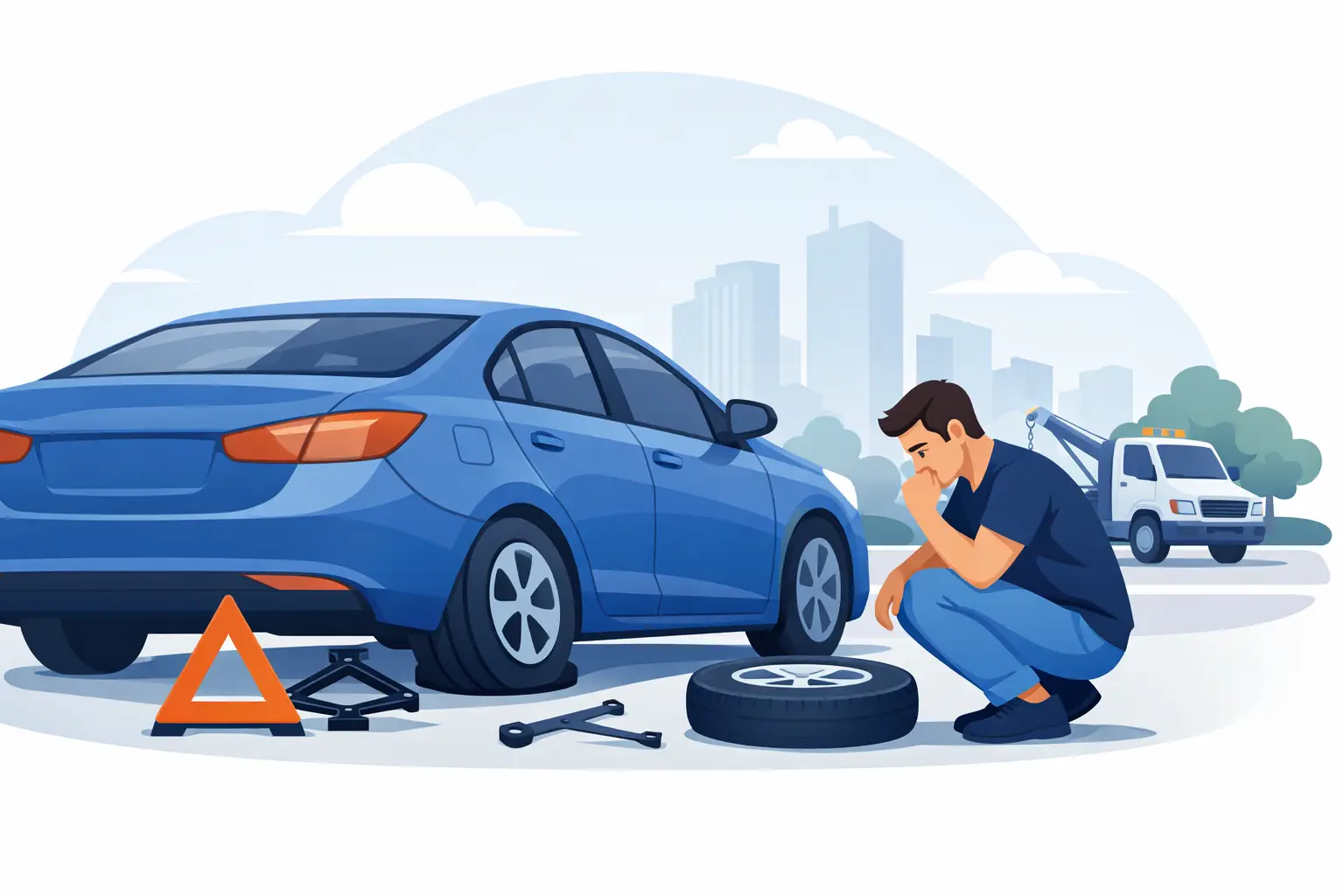
A flat tire is rarely convenient, but it is especially stressful when your car wont move due to flat tyre and you are blocking the driveway, parked at work, or stopped at the roadside. The good news is that you do not need to guess, force the car forward, or spend hours arranging a trip to a tire shop. First, make the vehicle safe. Then work out whether the tire can be repaired or needs replacing.
Do not drive on the flat tire
Even moving a car a short distance on a completely flat tire can turn a straightforward puncture into a more expensive replacement. When the tire has no air, the weight of the vehicle presses the sidewall against the wheel. That can crush, tear, or overheat the internal structure of the tire.
If you noticed the problem while parked, leave the car where it is if it is safe to do so. If the tire went flat while driving, reduce speed gradually, avoid sharp steering, and pull into a safe place as soon as you can. Switch on your hazard lights if you are near traffic.
Do not try to “limp” to a nearby garage on a flat tire. A tire that may have been repairable after a nail puncture can become unsafe once its sidewall has been driven on. The wheel itself may also be damaged.
Make the car and yourself safe first
Before checking the tire, park on the firmest, flattest ground available. Put the car in park or first gear, apply the parking brake, and keep passengers away from traffic. If you are on a busy road, a narrow shoulder, or a place with poor visibility, stay in a safe position and arrange assistance rather than attempting a wheel change yourself.
Take a quick look at the tire without putting yourself at risk. You may see a screw, nail, split sidewall, bulge, or a tire that has come partly away from the wheel. Do not pull a nail or screw out. It may be slowing the air loss, and removing it can leave you with a fully deflated tire before help arrives.
If the tire looks damaged after hitting a pothole or curb, inspect the wheel too. A bent rim can cause a slow or sudden air leak and may need attention even after a new tire is fitted.
Why a car will not move with a flat tire
A car can technically roll on a low tire, but that does not mean it should. With a fully flat tire, the wheel is no longer supported properly, braking and steering can be affected, and the vehicle may pull sharply to one side. On some cars, the tire can also slip off the rim when moved.
There are a few common reasons the problem happens:
- A nail, screw, or other road debris has pierced the tread.
- A pothole, curb impact, or debris strike has damaged the tire or wheel.
- A leaking valve, damaged valve stem, or faulty seal is letting air escape.
- The tire has a split, bulge, or crack from age, impact damage, or previous low-pressure driving.
- A gradual puncture has gone unnoticed until the tire is too low to support the car.
The cause matters because not every puncture can be safely repaired. A small puncture in the central tread area may be repairable if the tire has not been driven flat. Damage to the sidewall, shoulder, or internal structure normally means replacement is the safer choice.
Should you use the spare tire?
Using the spare can be a sensible short-term solution if you are in a safe place, have the right tools, and know how to fit it correctly. Check the spare before relying on it. A spare that has been sitting under the trunk floor for years may also be low on air or deteriorated.
Many modern vehicles come with a space-saver spare rather than a full-size wheel. These are designed for temporary use only and usually have a lower speed limit. Follow the instructions on the tire or in the vehicle handbook, and arrange a proper repair or replacement as soon as possible.
Some vehicles have no spare at all. They may have run-flat tires, a tire inflation kit, or simply more trunk space. An inflation kit can help with a very small tread puncture, but it will not fix a torn sidewall, a damaged rim, or a tire that has come off the bead. Sealant can also make a later repair more complicated, so it is best used only when the vehicle manufacturer recommends it and there is no safer option.
When calling a mobile tire service makes more sense
Changing a wheel at home can be awkward. Changing one in rain, in a work parking lot, with children in the car, or beside fast-moving traffic is another matter entirely. Mobile tire support is often the easiest answer when the car cannot be driven safely.
A properly equipped mobile technician can come to your home, workplace, or roadside location, inspect the damage, and advise whether a repair is possible. If it is not, they can fit a suitable replacement tire on site, balance the wheel where needed, and get you moving without a garage visit.
For drivers around Reading, Basingstoke, Bracknell, and nearby areas, Lee’s Mobile Tyres provides the practical kind of help that matters in this situation: a technician comes to the vehicle, rather than asking you to find a way to bring a disabled car to a shop. Depending on the tire size and condition, a new tire or a fully tested part-worn option may be available to suit your budget.
When you call for help, have your location, vehicle registration, tire size if known, and a brief description of the damage ready. The tire size is printed on the sidewall and looks similar to 225/45 R17. A photo of the tire and wheel can also help the technician prepare the right equipment.
Can a flat tire be repaired?
A repair is possible only when it meets safety standards. In general, the puncture needs to be in the main tread area, small enough to repair, and free from damage caused by driving while flat. The tire also needs to have legal, usable tread depth and no cracks, bulges, or previous unsafe repairs.
A puncture near the sidewall is not something to patch over and hope for the best. The sidewall flexes constantly as you drive, so repairs in this area are not considered reliable. The same applies if the tire has been driven with little or no pressure, even if the visible hole looks small.
An honest inspection is worth more than a quick fix. Repairing a suitable tire can save money and reduce waste. Replacing a damaged tire is the right call when the structure of the tire cannot be trusted.
After the tire is fixed or replaced
Once you are back on the road, check the pressure in all four tires within the next few days. A tire pressure warning light may need to be reset according to your vehicle’s instructions. If the flat resulted from a pothole or curb strike, pay attention to any vibration, steering pull, or uneven tire wear afterward. Those signs can point to wheel damage or an alignment issue.
It is also worth checking the other tires for age, tread depth, and visible cracking. If one tire has picked up a puncture from worn tread or repeated low pressure, the others may need attention too. Keeping tires correctly inflated is one of the simplest ways to improve handling, fuel economy, and tire life.
Common questions about a car stuck with a flat tire
Can I drive a few blocks on a flat tire?
No. A few blocks can be enough to destroy the sidewall, damage the wheel, and make the vehicle harder to control. If the tire is fully flat, stay put where safe and arrange help.
What if my tire keeps going flat after I inflate it?
There is likely a puncture, valve leak, rim seal issue, or wheel damage. Inflating it may get you temporary pressure, but it does not solve the cause. Have it inspected before using the car normally.
Do I need to replace two tires at once?
It depends on the vehicle, tire condition, and where the replacement will be fitted. If the matching tire on the same axle is heavily worn, replacing both may provide more even grip and handling. On some all-wheel-drive vehicles, differences in tread depth matter even more. A technician can assess the safest and most cost-effective option.
A flat tire does not have to take over your day. Keep the car still, keep yourself safe, and get the tire checked properly. A quick call for on-site help can turn a stranded vehicle into a working one without the hassle of towing it across town.