Roadside Tyre Booking When You Need Help Fast
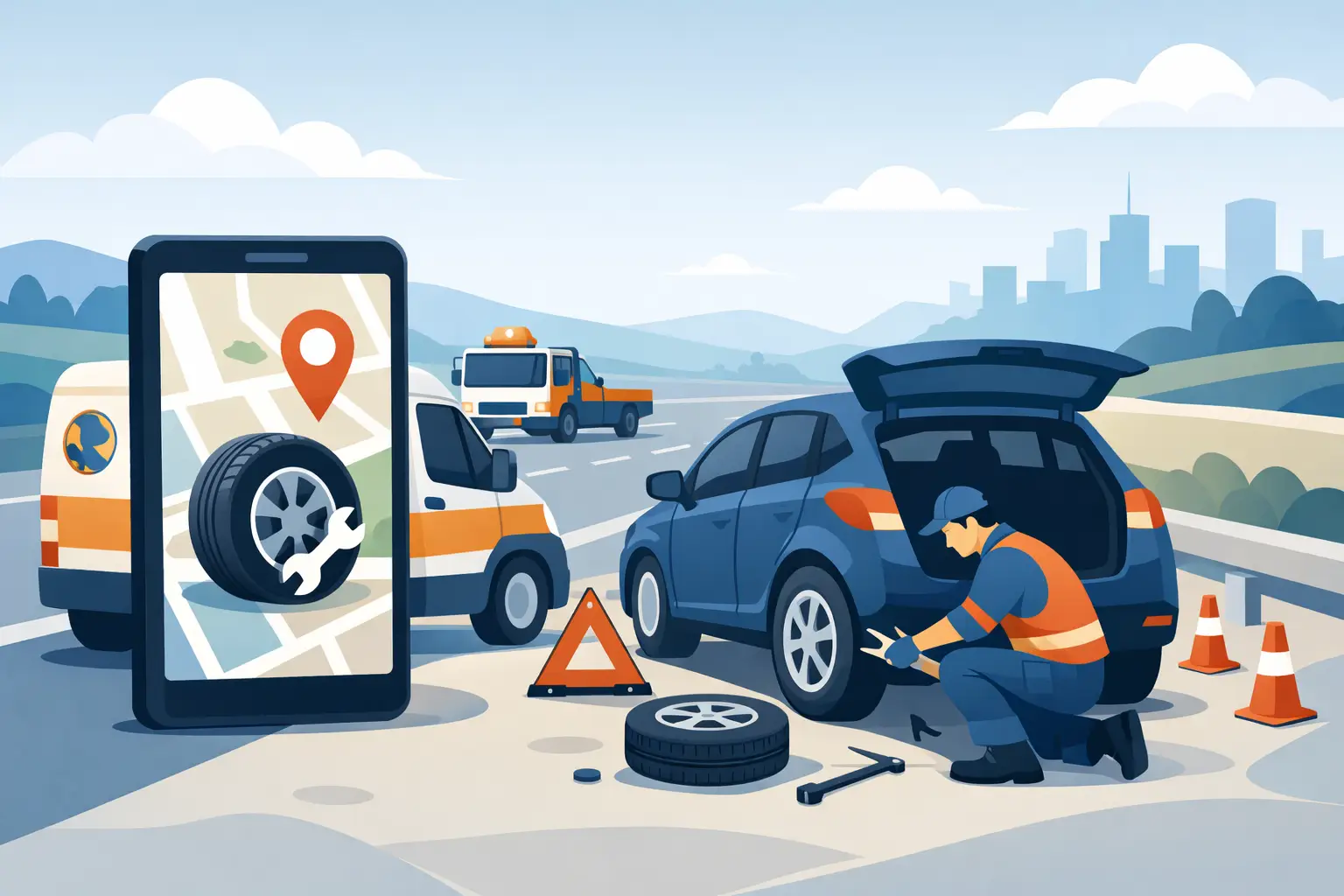
A flat tire rarely happens when you have spare time. It happens outside work, on the school run, before an early shift, or halfway through a packed day. A roadside tyre booking gives you a practical way to get help where the car is, rather than trying to drive on a damaged tire or arrange a trip to a garage.
For drivers around Reading, Basingstoke, Bracknell, and nearby areas, the priority is simple: get the vehicle safe, get moving again, and avoid turning one puncture into a much bigger problem. Mobile tire service is built for exactly that.
When roadside tyre booking is the right call
Roadside help is not only for a tire that has completely gone flat. If you notice a rapid loss of pressure, a visible screw or nail, a sidewall bulge, a split tire, or damage after hitting a pothole or curb, it is worth stopping and getting the tire checked. Continuing to drive can destroy a tire that might otherwise have been repairable. It can also damage the wheel and affect the way the vehicle handles.
A roadside booking makes particular sense when the vehicle is not safe to drive, you do not have a usable spare, or changing the wheel yourself is not realistic. Many newer cars do not carry a full-size spare at all. Some have a temporary repair kit, but sealant is not suitable for every puncture and may only offer a short-term answer.
It is also a sensible option when the problem is less urgent but your time is tight. A slow puncture at home, worn tread noticed in the work parking lot, or tires that need replacing before a long journey can often be handled at your location. You do not need to lose half a day sitting in a waiting room.
What to do before help arrives
Your safety comes first. If the tire fails while driving, slow down steadily, avoid sharp steering, and pull over somewhere as far from traffic as possible. Put on your hazard lights. If you are on a fast or dangerous road, move yourself and passengers to a safer place when it is safe to do so, and follow local roadside safety guidance.
Once stopped, avoid driving farther just to find a better parking space if the tire is flat or visibly damaged. A short distance on a flat tire can cause expensive damage to the sidewall and wheel. Do not remove a nail or screw from the tread either. It may be slowing the leak, and leaving it in place helps the technician identify the source of the problem.
When making the booking, have the vehicle registration, your exact location, and a short description of the issue ready. It also helps to share the tire size if you can find it on the sidewall. It will look similar to 225/45 R17. If you cannot read it or are unsure, that is not a problem. A clear photo of the tire and the damage can help confirm what is needed.
If the vehicle is in a parking garage, gated site, narrow driveway, or workplace lot, mention that too. Good information at the start helps the mobile technician arrive prepared and avoids delays.
Repair, replacement, or a part-worn tire?
The best solution depends on where the tire is damaged and how far it has been driven while low on air. A straightforward puncture in the central tread area may be repairable if the tire is otherwise in good condition. The repair must be carried out properly after the tire has been removed and inspected from the inside. A quick external plug is not the same as a full professional assessment.
Damage to the sidewall, shoulder, or bead area usually means replacement is the safer choice. The same is true if the tire has been driven flat for any distance, has exposed cords, severe cracking, or tread worn below the legal limit. In those cases, a repair might seem cheaper at first, but it is not a worthwhile risk.
For drivers watching the budget, a fully tested part-worn tire can sometimes be a sensible option. It is not right for every vehicle or situation, and matching size, condition, load rating, and speed rating still matter. But where an appropriate tested tire is available, it can get a car back on the road at a lower cost than a new replacement.
If replacing one tire, the technician should consider the condition of the tire on the opposite side of the same axle. Large differences in tread depth can affect grip and handling, especially in wet conditions. On some all-wheel-drive vehicles, tire matching is even more important. This is why an honest assessment is more useful than simply fitting the first tire available.
What a mobile tire visit should include
A proper roadside or mobile tire job is more than swapping rubber and leaving. The wheel should be inspected for damage, the correct tire should be fitted, and the new tire should be inflated to the appropriate pressure. Where required, the wheel should also be balanced so the vehicle does not develop vibration at speed.
The technician may also spot issues that caused the original problem. A badly worn inner edge, for example, can point to an alignment issue. Tire replacement will restore safe tread, but it will not correct poor wheel alignment. If alignment is suspected, arranging support promptly can prevent the new tire from wearing out early.
There are limits to what can be done safely at the roadside. The vehicle needs a stable, accessible place to work, and some damage may require additional inspection or specialist repair. A reliable service will explain this plainly rather than making promises that do not fit the situation.
Why speed matters, but clear advice matters too
When you are stranded, a fast arrival is valuable. So is knowing what you are paying for and why. The quickest answer is not always the cheapest answer, and the cheapest answer is not always safe. A good mobile tire technician will talk you through whether a repair is possible, whether replacement is necessary, and what options are available before work begins.
That personal advice is one reason local mobile services are useful. You are not trying to interpret a dashboard warning, compare tire codes in a parking lot, and find transport to a tire shop all at once. The work comes to you, with a practical recommendation based on the tire in front of them.
Lee’s Mobile Tyres provides 24/7 mobile support for drivers who need tire fitting, puncture repair, emergency replacement, balancing, and straightforward help at home, work, or roadside. The aim is not to add drama to a bad day. It is to deal with the problem quickly and get you safely back to your plans.
Avoid the next roadside tire problem
Not every puncture can be prevented, but routine checks make sudden tire trouble less likely. Check tire pressures at least once a month and before a long drive, using the vehicle manufacturer’s recommended settings. Look for nails, cuts, bulges, and uneven tread wear when you wash the car or load up for a trip.
Pay attention to changes in how the car feels. A steering wheel that pulls to one side, a new vibration, repeated pressure loss, or a thumping noise should not be ignored. Catching these signs early often gives you more choice, more time, and a lower bill than waiting for a roadside failure.
If a tire problem does catch you out, keep the decision simple: stop somewhere safe, avoid driving on the damaged tire, and book help that can come to you. A quick, properly handled repair or replacement can turn a stressful interruption into a short delay rather than a lost day.