Roadside Callout or Recovery: Which Do You Need?
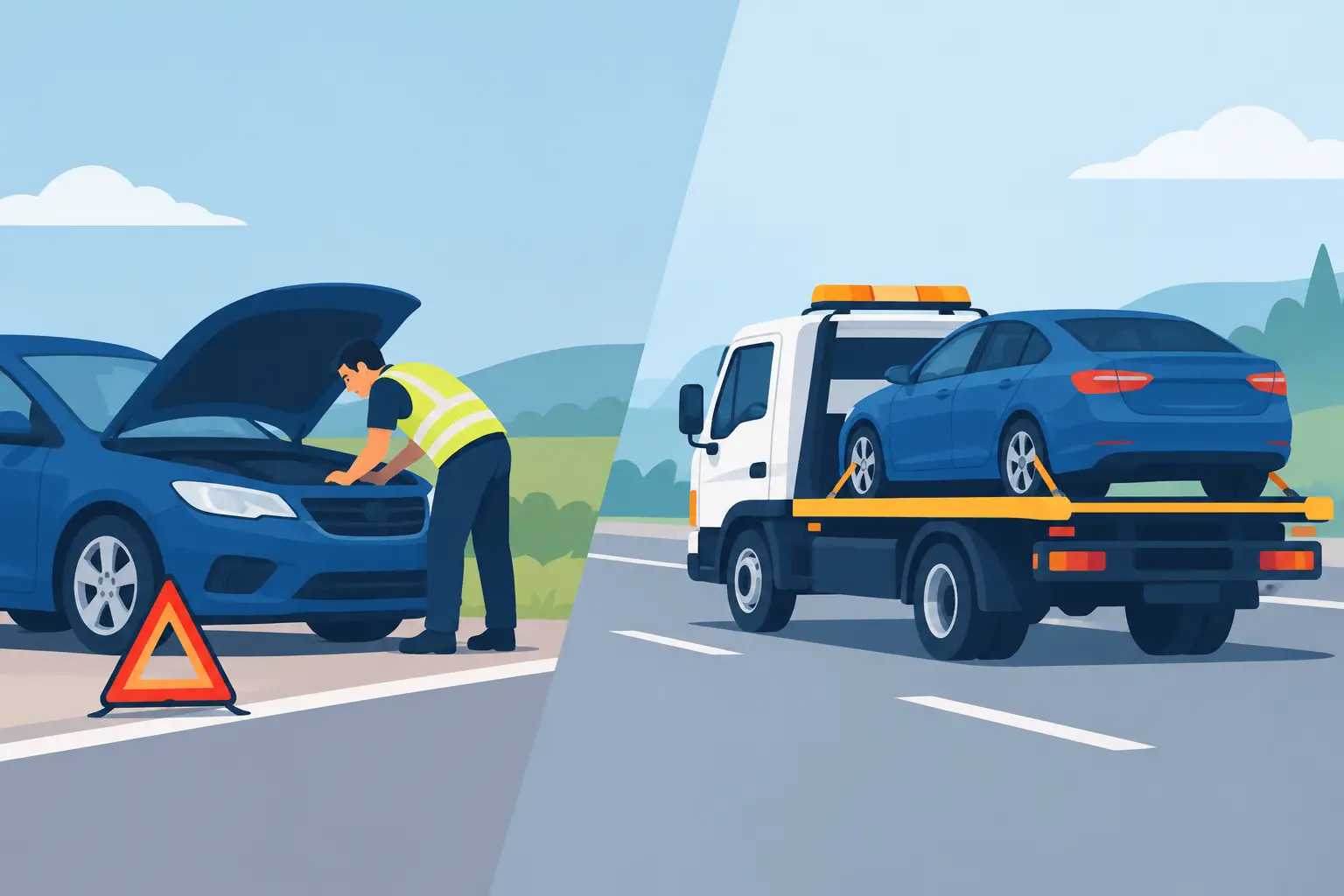
A flat tire on the way to work is not the time to compare services or guess what your car needs. The choice between a roadside callout or recovery comes down to one question: can the problem be safely fixed where the vehicle is, or does the vehicle need to be transported elsewhere?
For many tire problems, a mobile tire technician can get you moving at the roadside, at home, or in your workplace parking lot. That is usually quicker, less disruptive, and often more affordable than arranging a tow. But there are times when recovery is the safer call. Knowing the difference helps you make the right decision when you are stuck.
What Is a Roadside Callout?
A roadside callout means a technician comes to your location with the equipment needed to assess and fix a problem on the spot. In the case of tires, that may mean repairing a puncture, fitting a replacement tire, changing a damaged valve, or checking whether a tire has lost pressure because of a wheel issue.
The goal is simple: get your vehicle safe and roadworthy without taking it to a garage. A properly equipped mobile tire service can carry tire-fitting tools, balancing equipment, replacement valves, and a range of new or tested part-worn tires. Instead of losing half a day waiting for a tow and then waiting again at a shop, the work is done where the car is parked.
A roadside callout is often the right option when the rest of the vehicle is running normally. Your engine starts, the steering and brakes are fine, and the only problem is a tire that has gone flat, been damaged, or cannot be driven on safely.
When a Tire Callout Can Solve the Problem
A callout is usually suitable when there is a repairable puncture in the central tread area, a damaged tire that needs replacing, or a slow leak that has left you with a low tire. It can also help if you do not have a usable spare, your locking wheel nut key is available, or your spare has never been checked and is not fit for the road.
It is particularly useful when your vehicle is at home before the school run, at work before a long journey, or stranded in a safe roadside location. You avoid driving on a flat tire, which can damage the wheel and turn a straightforward replacement into a more expensive job.
The technician will first inspect the tire and wheel. A puncture is not automatically repairable. Damage to the sidewall, a large cut, exposed cords, or evidence that the tire has been driven while flat usually means replacement is the safe option. Straight answers matter here. Repairing a tire that should be replaced is not a saving if it puts you at risk later.
When Recovery Is the Better Choice
Recovery means your vehicle is transported to another location, such as a repair shop, your home, or a dealership. It is the sensible option when the vehicle cannot be made safe to drive at the scene or when the issue is more than a tire problem.
For example, recovery may be needed after a collision, if the wheel itself is badly bent or cracked, if there is suspension damage, or if the vehicle is blocking traffic in a dangerous place. It is also the better choice if you have multiple mechanical faults, warning lights linked to braking or steering, engine trouble, or a battery and electrical issue that cannot be sorted safely at the roadside.
A tire problem can sometimes lead to recovery too. If a tire has failed at speed and caused major wheel or body damage, fitting a new tire alone may not make the car roadworthy. The same applies if the vehicle has no safe place for roadside work or cannot be accessed properly.
There is no benefit in forcing a roadside repair just because it seems faster. Safety comes first. A good technician will tell you plainly if recovery is the right next step.
Roadside Callout or Recovery: A Quick Way to Decide
Start with the condition of the vehicle and the location. If the vehicle has one tire issue, is parked somewhere reasonably safe, and there is no sign of wider damage, a mobile tire callout is often the practical answer.
If you are on a live lane, a narrow blind bend, or a section of road where stopping is unsafe, move yourself and any passengers to a safe place if possible. Do not stand near traffic to inspect the tire. Emergency services, highway support, or a recovery provider may need to secure the situation before any repair work can happen.
Ask yourself three practical questions: Is the problem clearly limited to the tire or wheel? Is the vehicle parked in a place where work can be carried out safely? Can a replacement tire make the vehicle legal and safe to drive? If the answer is yes, a callout may save a considerable amount of time.
If the answer is no, arrange recovery. That is not an inconvenience or a failure – it is the correct decision when the car needs more than roadside attention.
What to Do Before Help Arrives
The details you give when calling can make the response smoother. Share your exact location, vehicle make and model, tire size if you can see it, and a clear description of the damage. Tire sizes are printed on the sidewall and look similar to 225/45 R17. A photo of the tire can also help identify whether a repair, replacement, or recovery is likely.
If you have hit a pothole or curb, mention that as well. A visible bulge in the tire sidewall, a cracked alloy wheel, or heavy vibration after the impact can point to more than a simple puncture.
While waiting, keep the hazard lights on if appropriate, put on a high-visibility vest if you have one, and stay away from moving traffic. Do not keep reinflating a tire that is rapidly losing air and then trying to drive it. A tire can look only slightly low but still be too damaged to continue safely.
If the car is parked at home or work, make sure the wheel is accessible. Remove wheel trims only if you know how to do it without causing damage, and have the locking wheel nut key ready if your wheels use one. Small steps like this can reduce delays.
Why Mobile Tire Help Often Makes Sense
For a straightforward flat, recovery adds an extra stage. Your vehicle is loaded, moved, unloaded, and then waits for a tire appointment. That can be necessary, but it is not always necessary.
A mobile service brings the fitting appointment to you. Lee’s Mobile Tyres serves drivers around Reading, Basingstoke, Bracknell, and nearby areas with practical tire support at home, work, and roadside locations. Whether you need a new tire, a puncture check, or a tested part-worn replacement to get back on the road, the focus is on solving the immediate problem without making your day harder.
There are trade-offs. A fixed garage may have a larger stock range on site, especially for unusual sizes or specialist vehicles. A roadside location may also limit what can safely be done. But for common tire sizes and ordinary puncture or replacement jobs, mobile help is often the fastest route back to normal.
Do Not Let a Flat Tire Become a Bigger Repair
Driving even a short distance on a deflated tire can destroy its internal structure. The rubber may not look dramatic from the outside, but the internal sidewalls can be damaged beyond repair. It can also mark or crack the wheel, particularly after a pothole strike.
If the tire pressure warning light comes on, check the tires as soon as it is safe to stop. If one is visibly low, avoid carrying on to the next exit, the next gas station, or home unless you have confirmed it is safe and properly inflated. A quick callout may be all that is needed, while continued driving can mean a new tire, wheel repair, and a longer delay.
The best choice is the one that gets you moving safely, not simply the one that sounds quickest. If your vehicle only needs tire attention, a roadside callout can put the problem behind you where you are. If there is wider damage or an unsafe location, recovery protects you and your vehicle until the right repair can be made.