
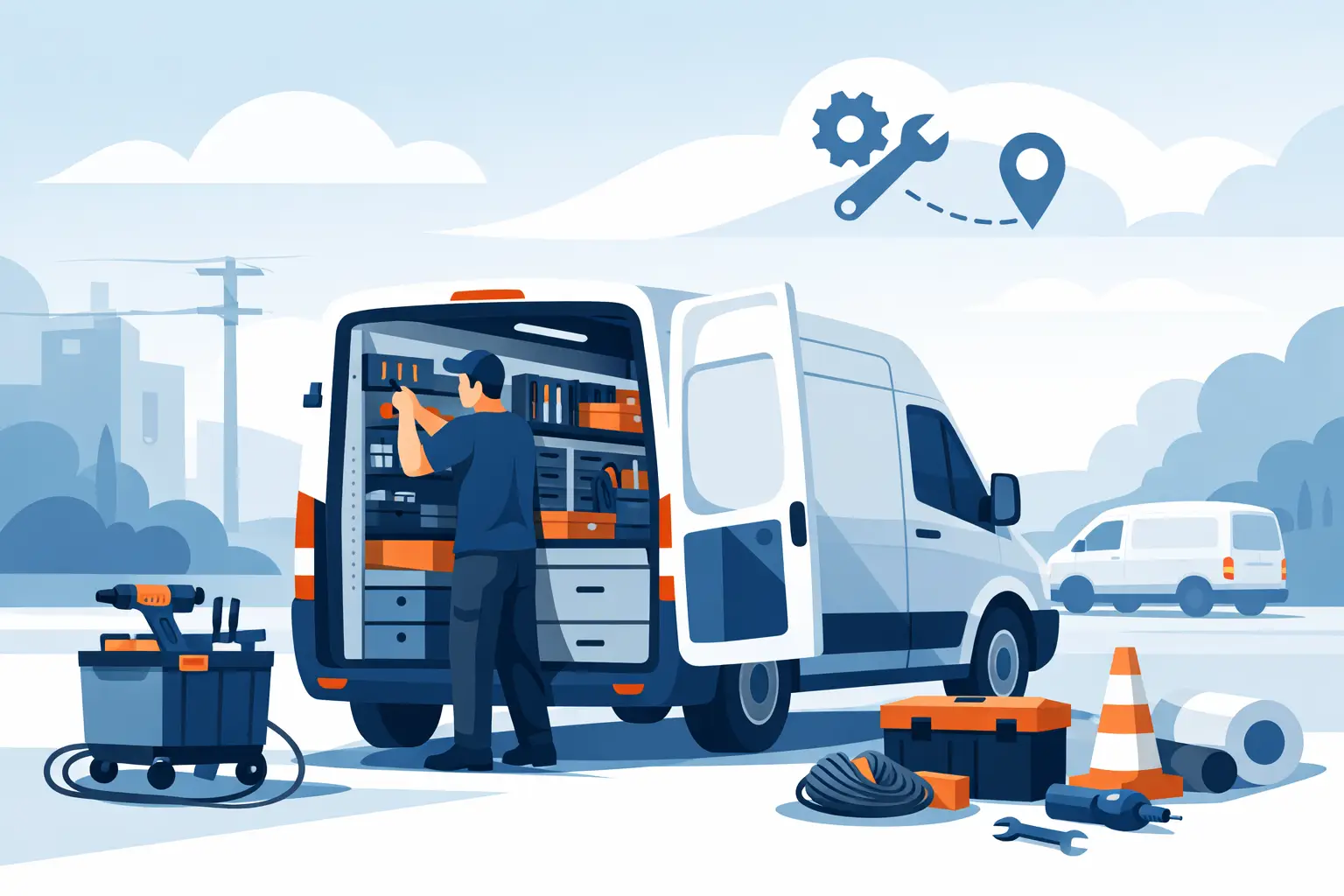
Mobile Fitting for Vans That Keeps Work Moving
A van with a flat tire does not just hold up one journey. It can delay a delivery, leave tools stranded at a job site, put a day of appointments at risk, or keep you from getting home. Mobile fitting for vans brings the tire service to where the vehicle is, so you can deal with the problem without arranging a tow or losing hours at a garage.
For tradespeople, couriers, small business owners, and busy families, that convenience matters. A properly equipped mobile tire technician can inspect the damage, repair a suitable puncture, fit a replacement tire, and balance the wheel at your home, workplace, depot, or a safe roadside location. The aim is simple: get your van safe and moving again with as little disruption as possible.
Why van tire problems need a quick response
Vans work harder than most cars. They often carry tools, stock, equipment, passengers, or a full day’s schedule. That extra weight puts more demand on the tires, particularly when loads are uneven, tire pressures are low, or the vehicle spends long hours on motorways and rough job-site access roads.
A slow puncture can turn into a complete flat while the van is parked overnight. A screw through the tread may be repairable if it is found early, but driving on an underinflated tire can damage the sidewall and make replacement the only safe option. A pothole strike can also cause a sudden loss of pressure, wheel damage, or vibration that should not be ignored.
Waiting until you have time for a garage appointment is rarely practical when the van is part of your work. Mobile service removes that extra step. Instead of taking time out to sit in a waiting room, you can have the work done where the vehicle is already parked.
What mobile fitting for vans can cover
The exact work depends on the condition of the tire and wheel, but mobile fitting for vans is designed to handle the problems that stop a vehicle from being used safely. This commonly includes new tire fitting, emergency tire replacement, puncture repairs where the damage is suitable, wheel balancing, valve replacement, and tire pressure checks.
A technician should first look at the location and type of damage. A small puncture through the central tread area can sometimes be repaired, provided the tire has not been driven flat and its internal structure is sound. Damage to the shoulder or sidewall, a split tire, exposed cords, or serious impact damage normally means the tire needs replacing. That is not upselling. It is the difference between a repair that can be trusted and one that could fail under load.
For vans used on a budget, a fully tested part-worn tire may sometimes be a sensible option, especially when you need to get back on the road quickly. It must still be the correct size, load rating, and condition for the vehicle. New tires are often the better long-term choice for high-mileage work vans, but the right option depends on how the van is used, the remaining tires, and what you need that day.
The load rating is not a small detail
Van tires are not just larger car tires. They need to carry the weight the vehicle is designed for, including passengers, tools, stock, and equipment. Fitting a tire with the wrong load rating can affect safety, wear, handling, and insurance compliance.
Before fitting, the technician should check the tire size and specification shown on the existing tire and vehicle information. If your van is regularly loaded, say so when booking. That helps ensure the replacement is suitable for the work it actually does, not just the cheapest tire that fits the wheel.
How an on-site van tire appointment works
A good mobile appointment starts before the van arrives. When you call, be ready to give the vehicle make and model, tire size if you can see it, where the van is located, and a clear description of the issue. If there is a puncture, mention whether the tire is completely flat and whether you have driven on it.
The mobile technician arrives with the equipment needed to remove the wheel, fit the tire, inflate it correctly, and balance it where required. The work area needs to be reasonably safe and accessible. A driveway, work parking area, depot, or level roadside lay-by is usually straightforward. A narrow live traffic lane, soft ground, unsafe shoulder, or location with no room around the vehicle may require a different plan.
Once the work is complete, the wheel is refitted and checked. You should leave knowing what was done, why a repair or replacement was recommended, and whether there is anything else to keep an eye on. Clear communication is especially valuable when you are trying to rearrange customers, staff, or deliveries around an unexpected problem.
When a mobile callout is the better choice
Mobile tire fitting is particularly useful when the van cannot be driven safely, when you have a packed schedule, or when moving the vehicle to a garage would create another problem. It is also useful for fleet owners with several vehicles parked at one location. Fixing tires at the depot can keep drivers working instead of sending them across town for appointments.
For an emergency, location matters. If you are on a dangerous stretch of road, in a live lane, or unable to stop safely, your first priority is getting yourself to a secure place and following roadside safety advice. A mobile tire service can help with the tire issue, but it should not put you or the technician at risk.
There are occasions when a garage is still necessary. Serious wheel damage, suspected suspension faults, major alignment issues, or problems requiring specialist lifting equipment may need further inspection. Mobile technicians can often identify these concerns and provide alignment support, but a tire replacement will not cure a worn suspension component or a bent wheel.
Avoiding the next flat tire on your van
Not every puncture can be prevented, but routine checks reduce the chance of a small problem turning into an expensive callout. Check tire pressures at least monthly and before carrying a heavier load. Use the vehicle manufacturer’s recommended pressure for the load you are carrying, not a guess based on how the tire looks.
Take a minute to look over the tread and sidewalls when loading up. Remove stones caught in the grooves, watch for nails or screws, and look for cuts, bulges, or uneven wear. If one edge is wearing faster than the rest, the van may need its alignment checked. Vibration through the steering wheel can point to a balance issue, wheel damage, or a tire problem worth dealing with early.
It also helps to avoid overloading the vehicle and to spread weight evenly. A van that is consistently overloaded will work its tires harder, reduce braking performance, and wear through replacements faster. The cheapest tire bill is usually the one you never have to pay because a simple check caught the issue first.
Fast help without the garage wait
The best mobile tire service is not only about arriving quickly. It is about giving you a practical answer: an honest assessment, a suitable tire, a safe repair where possible, and work completed where it makes life easier. That is why local drivers across Reading, Basingstoke, Bracknell, and surrounding areas call Lee’s Mobile Tyres when a van tire problem cannot wait.
If your van is parked with a flat, losing pressure, or riding rough after an impact, do not keep pushing it until it becomes a bigger repair. Get the tire checked where it is, make the safe choice for the vehicle, and get back to the jobs that need you there.