Mobile Tyre Fitting That Keeps Your Day Moving
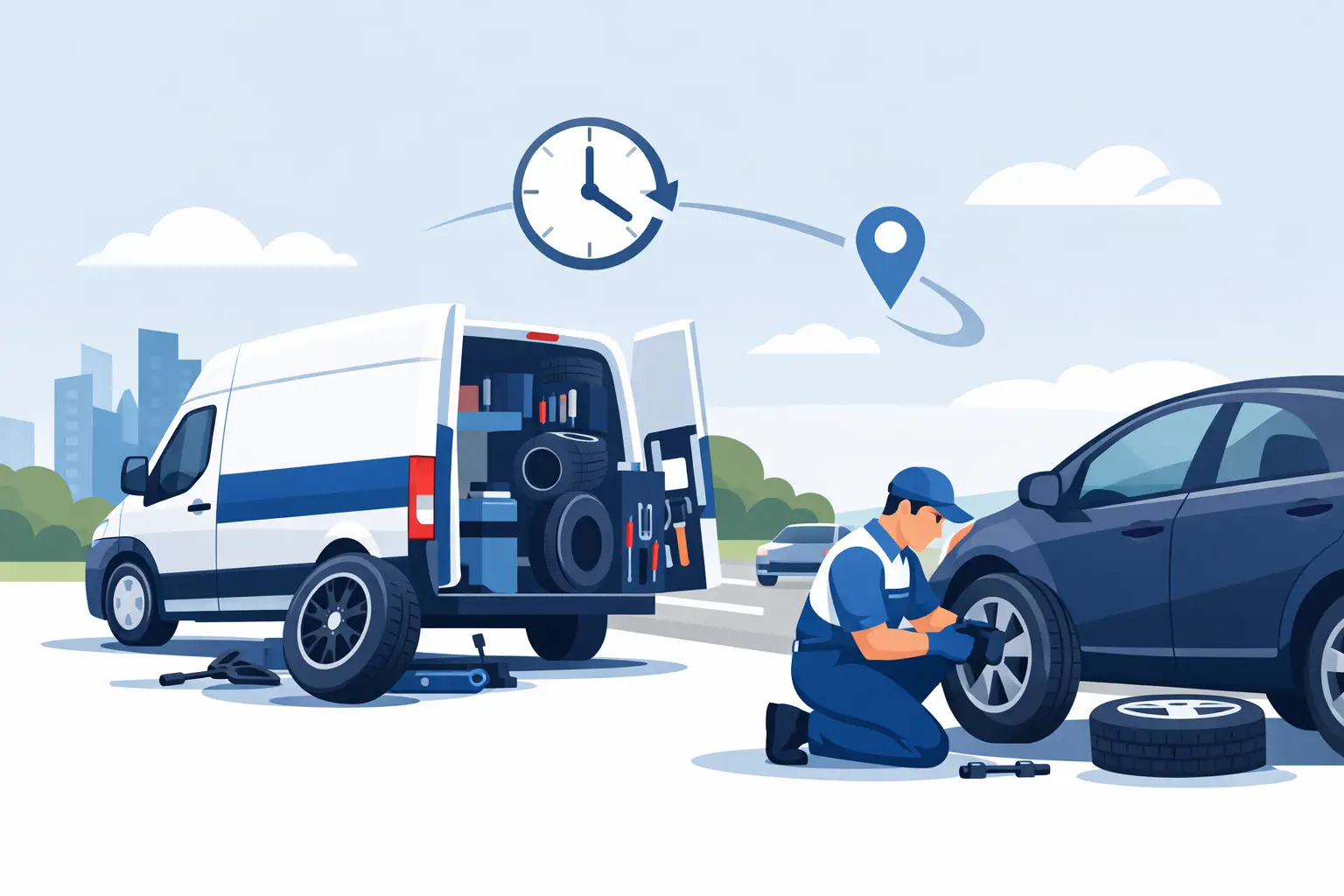
A flat tire rarely happens when you have time to spare. It happens on the school run, outside work, before a customer visit, or just as you are ready to head home. Mobile tyre fitting takes the garage trip out of the problem. Instead of arranging a tow, finding a ride, or sitting in a waiting room, you can have a trained fitter come to your driveway, workplace, or safe roadside location.
For drivers around Reading, Basingstoke, Bracknell, and nearby areas, the value is simple: less disruption, a proper repair or replacement, and the confidence to get back on the road.
What mobile tyre fitting actually includes
Tyre fitting is more than putting a new tire onto a wheel. A proper job starts with checking what has caused the issue and whether the tire can be safely repaired. If a repair is not suitable, the fitter will match an appropriate replacement to your vehicle, remove the damaged tire, fit the new one, inflate it to the right pressure, and check that it is seated correctly.
Wheel balancing is also a key part of many replacements. An unbalanced wheel can cause vibration through the steering wheel or vehicle floor, often becoming more noticeable at higher speeds. Balancing helps the wheel rotate smoothly and can reduce uneven tire wear.
If your old tire has worn heavily on one edge, that can point to an alignment issue. A mobile fitter can identify the signs and advise you on the next step. Alignment itself may require specialist equipment or a garage visit, but spotting the problem early can save you from wearing out another tire too soon.
When calling a mobile fitter makes sense
A mobile service is useful in an emergency, but it is not only for emergencies. It is often the practical option when your schedule is already full or your car is not safe to drive.
If you wake up to a flat tire on the driveway, there is no need to risk driving it to a shop. If you pick up a puncture at work, the repair or replacement can be completed before you leave. If you are stuck roadside, a rapid callout may get you moving without the delay and expense of recovery.
It can also make routine replacement easier. Tires do not always fail suddenly. You may have noticed low tread, sidewall cracking, a slow pressure loss, or a tire that has been repeatedly repaired. Booking tyre fitting at home means the work can be done while you get on with your day.
For parents, commuters, tradespeople, and anyone who depends on their vehicle, that convenience matters. A garage appointment can take half a day once travel, waiting, and collection are included. A mobile visit keeps that time in your hands.
Repair or replacement: the decision should be about safety
Not every puncture means you need a new tire. A small, straightforward puncture in the central tread area may be repairable if the tire has not been driven flat and the internal structure is sound. A proper inspection is the only way to know.
There are situations where replacement is the safer answer. Damage to the sidewall, a deep cut, a bulge, exposed cords, or serious wear means the tire should not go back into service. The same applies when a tire has been driven while deflated. Even if it holds air afterward, internal damage may not be visible from the outside.
This is where a good local service earns its keep. The cheapest answer is not always the right answer, and a reputable fitter should explain the condition of the tire in plain language. You should know whether a repair is safe, why a replacement is recommended, and what your options are before work starts.
Choosing the right replacement tire
The right tire depends on your vehicle, driving habits, budget, and the condition of the other tires. The size, load rating, and speed rating should match the vehicle requirements. These details are printed on the tire sidewall and can also be found in the vehicle handbook or door-frame label.
New tires are a sensible choice when you want maximum tread life and a broad range of options. They are particularly worthwhile for drivers who cover high mileage, regularly travel on highways, or simply want a matching set from a known brand.
Part-worn tires can be a practical lower-cost option when they have been fully inspected and tested. They should have legal tread depth, no unsafe repairs or structural damage, and clear information about their condition. The trade-off is that they will have less remaining life than a new tire, so they suit some situations better than others.
If only one tire needs replacing, the fitter may also consider the tread depth and condition of the tire on the other side of the axle. Fitting closely matched tires can help the vehicle handle predictably, especially in wet weather. There is no one-size-fits-all answer, but safety and compatibility should come before a quick bargain.
What to do while you wait for help
If you have a puncture while driving, slow down gradually and find a safe place to stop. Avoid sharp braking or sudden steering inputs, particularly if the tire has failed at speed. Turn on your hazard lights and move away from traffic if it is safe to do so.
Do not keep driving on a flat tire to “make it home.” That can destroy a tire that might otherwise have been repairable and can damage the wheel as well. If you have a spare, only use it if you are confident it is safe to fit and properly inflated. Many modern vehicles have temporary spare tires with speed and distance limits.
When you call for mobile help, have your location, vehicle make and model, tire size if available, and a brief description of the problem ready. A clear description helps the fitter bring the right equipment and replacement options. If you are roadside, tell them whether you are in a safe, accessible spot.
A few checks that prevent bigger problems
Tires work hard and usually give some warning before they become an urgent problem. A quick look every few weeks can catch issues early. Check pressure when the tires are cold, look for nails or screws in the tread, and pay attention to cracks, bulges, or unusual wear.
Also notice how the car feels. A pull to one side, steering vibration, a repeated pressure warning light, or a thumping noise can all point to a tire or wheel issue. These symptoms do not always mean the same thing, but they are worth checking before they turn into a breakdown.
Tread depth matters most in wet conditions, when worn tires have less ability to clear water from the road. Replacing tires before they reach the legal minimum gives you a better safety margin and usually makes driving feel more secure in heavy rain.
Tyre fitting that works around your day
The best tyre fitting service is not complicated. You explain the issue, get a clear response, and a capable fitter arrives where you need them. The work should be completed carefully, the price should be fair, and you should be left knowing your vehicle is safe to drive.
Lee’s Mobile Tyres is built around that straightforward approach, with mobile help for punctures, replacements, balancing, and urgent tire problems. Whether the issue is a screw in the tread outside your office or a flat tire on the driveway before an early start, getting help to your location can turn a stressful interruption into a manageable part of the day.
If something does not look or feel right with a tire, deal with it before your next journey. A quick check or timely callout is often all it takes to keep a small problem from deciding your plans for you.