
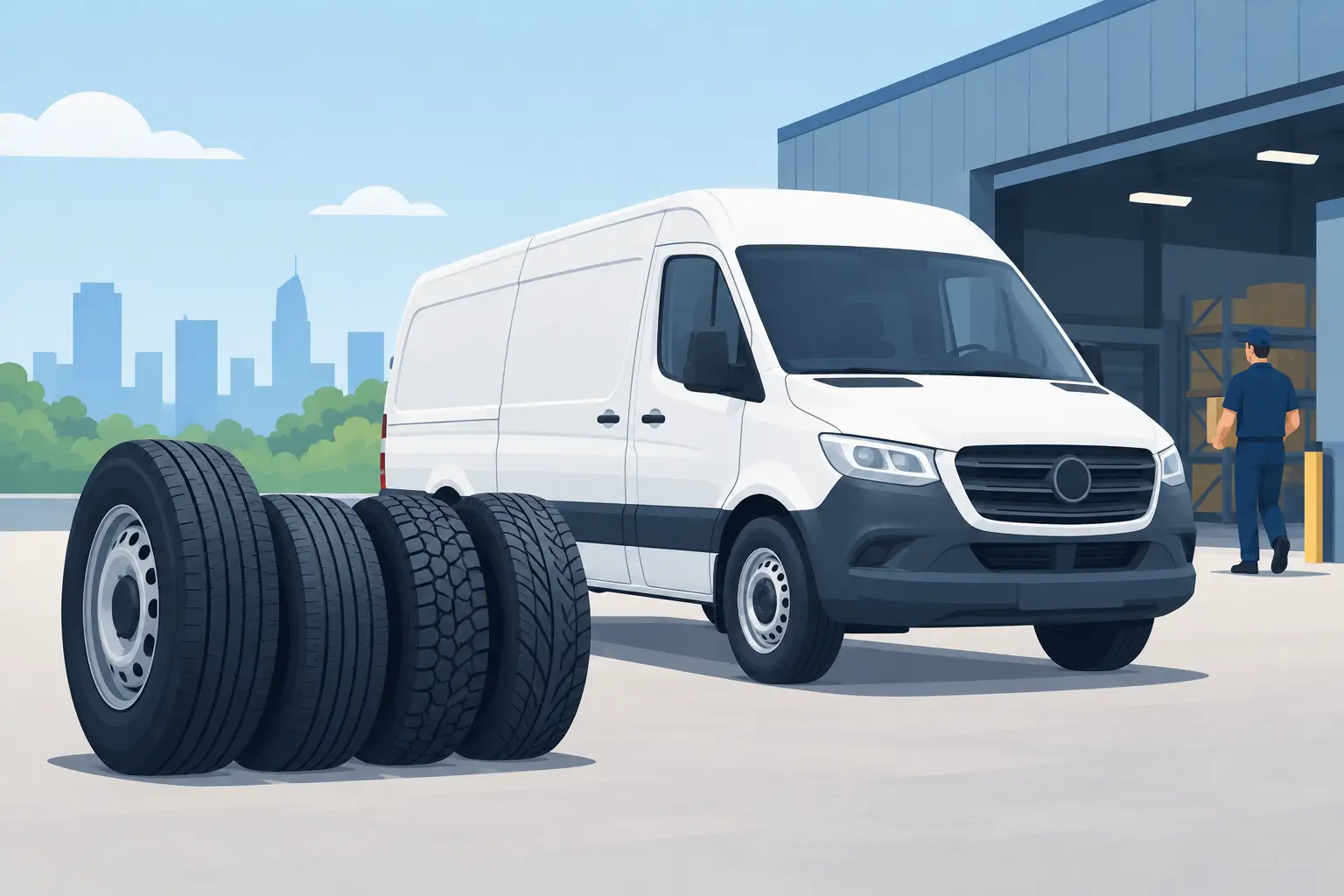
Van Tyre Choices That Keep Work Moving
A van with the wrong tires can look fine on the driveway and still cost you a job later that day. Poor grip in the rain, sidewall damage under a heavy load, or a tire that wears out early all mean the same thing: unwanted downtime. Getting your van tyre choices right is less about buying the most expensive option and more about matching the tire to the work your van actually does.
For a trades van, delivery vehicle, family people carrier, or small business workhorse, the right tire keeps the day moving. It also helps protect your load, your passengers, and your schedule when you cannot afford to sit in a waiting room at a garage.
Van Tyre Choices Start With How You Use the Van
A van tire has a tougher job than a standard passenger-car tire. Vans are heavier, carry changing loads, run longer distances, and often spend plenty of time stopping and starting. That is why a tire that seems like a bargain may not be the best value if it wears quickly or is not rated for the weight you carry.
Start with your normal week. A plumber or electrician making local calls may need a hard-wearing commercial tire that copes with city streets, curbs, and frequent braking. A courier covering highway miles may put more value on wet-weather grip, fuel economy, and steady wear. If your van is regularly loaded with tools, materials, stock, or equipment, load capacity should be high on the list.
The best choice depends on the job. There is no single “best van tire” for every driver, and that is where a practical conversation before fitting can save money later.
Check the Load Rating Before Anything Else
The load rating tells you how much weight each tire can safely carry. It is not a detail to guess at, especially if your van is loaded for work. Fitting tires below the required load rating can affect handling, increase wear, and raise the risk of damage or failure.
Your van’s handbook, door sticker, and existing tire markings can help identify the correct specification. If you are unsure, do not rely on appearance alone. Two tires in the same size can have different load ratings.
It is also worth thinking about the heaviest your van gets, not just how it looks on a quiet day. A van may be empty in the morning but carrying a full load by lunchtime. Choose for real working conditions.
Choose the Right Type of Van Tire
Most van owners will be choosing between commercial summer tires, all-season tires, and specialist options for tougher conditions. The right answer depends on mileage, weather, and where the van goes.
Commercial Tires for Everyday Work
Commercial van tires are designed with stronger construction and a higher load capacity than standard car tires. They are usually the sensible choice for vans used for work, whether that means carrying tools, making deliveries, or transporting passengers.
Their firmer sidewalls help support weight and handle regular use. They can feel different from a passenger-car tire, but that added strength matters when the van is loaded. A good commercial tire is often the best balance of safety, mileage, and value for a working vehicle.
All-Season Tires for Changing Conditions
All-season tires can suit drivers who need dependable traction through wet, cold, and changeable weather without switching tires by season. They are a practical option for vans doing local and regional work where rain, frosty mornings, and dirty roads are part of the routine.
There is a trade-off. A dedicated summer tire may offer sharper performance in consistently warm conditions, while a winter tire can be better in regular snow and ice. For many everyday vans, though, a quality all-season commercial tire removes the hassle of seasonal changes and provides useful year-round confidence.
All-Terrain Tires for Sites and Rough Access Roads
If your work regularly takes you onto building sites, farm tracks, unpaved yards, or muddy access roads, an all-terrain tire may be worth considering. Its tread is designed to find more grip away from smooth pavement.
The trade-off is usually extra road noise, less refined highway driving, and sometimes higher fuel use. If rough ground is only an occasional part of the job, a standard commercial tire may still make more sense. Buy for where the van spends most of its time, not the one difficult driveway it visits every few months.
Size, Speed Rating, and Tire Markings Matter
The numbers on the sidewall are there for a reason. They identify tire width, profile, wheel diameter, load rating, and speed rating. Matching the manufacturer-approved size keeps the van handling as intended and helps avoid clearance, braking, and legal issues.
Do not assume a wider tire is automatically better. It may affect fuel use, steering feel, and the way the van behaves with a load. Likewise, choosing a lower speed rating or unsuitable load rating to save a few dollars is false economy.
If one tire needs replacing, the safest option is to fit the same size and specification already approved for the vehicle. Where possible, matching tires across the same axle helps keep handling predictable, particularly in wet conditions. If both front or both rear tires are worn, replacing the pair is often the smarter move.
New, Part-Worn, or Budget Tires?
A new premium tire is not the only sensible answer, but it is useful to understand what you are paying for. Premium brands often invest heavily in tread design, wet braking, long-term wear, and fuel efficiency. For high-mileage vans or vehicles carrying people and valuable equipment, that can make the higher upfront price worthwhile.
Mid-range tires can offer strong everyday performance at a more manageable price. They are often a good fit for van owners who want reliable quality without paying top-tier prices for every replacement.
Budget tires may help when money is tight, but they should still meet the correct size, load, and speed requirements. The cheapest tire can become expensive if it wears out fast or gives less confidence in standing water.
Fully tested part-worn tires can also be a practical option in the right situation. They can help get a van back on the road when a single tire is damaged unexpectedly and a full set is not in the budget. However, condition matters. A part-worn tire should be carefully inspected for damage, repairs, tread depth, and age before it is fitted. It is not the right answer for every van or every journey, particularly when frequent heavy loads are involved.
Think About Wet Grip, Not Just Tread Depth
A tire can be legal and still be close to the point where it no longer performs well in heavy rain. As tread gets lower, there is less space to clear water from the road. That increases the chance of reduced grip and longer stopping distances.
For vans, wet grip matters even more because the vehicle is heavier and may be carrying a load. Check tread regularly, especially before long work runs or busy periods. Look for uneven wear too. Wear on one edge, a bald patch, or vibration through the steering wheel may point to alignment, balancing, suspension, or pressure problems.
Replacing a tire without fixing the cause of unusual wear can mean the new one suffers the same fate.
Tire Pressure Is Part of the Choice
Even the right tire will not work properly at the wrong pressure. Underinflated tires build heat, wear at the edges, use more fuel, and can feel vague when the van is loaded. Overinflated tires can reduce the contact patch and make the ride harsher.
Use the pressures recommended for your van and adjust them if the manufacturer specifies different settings for heavier loads. Check them when the tires are cold, ideally every couple of weeks and before a long trip. It takes only a few minutes and can make a real difference to tire life.
When Mobile Fitting Makes Sense
A puncture or damaged tire does not always happen when you have time to rearrange the day. That is where mobile fitting is useful. Instead of nursing a van to a garage or leaving it stuck on a driveway, you can have the tire checked, repaired where safe, or replaced at home, at work, or roadside.
Lee’s Mobile Tyres helps drivers get back on the road with practical advice and fitting that works around the problem, not the other way around. Whether the priority is a new commercial tire, a tested part-worn option, or help after a puncture, the goal is simple: get the van moving safely with as little disruption as possible.
Before your next busy week, take a look at the tires carrying it. A quick check now can prevent a missed callout, a delayed delivery, or a long wait at the side of the road later.