How Fleet Tyre Downtime Disrupts Your Day
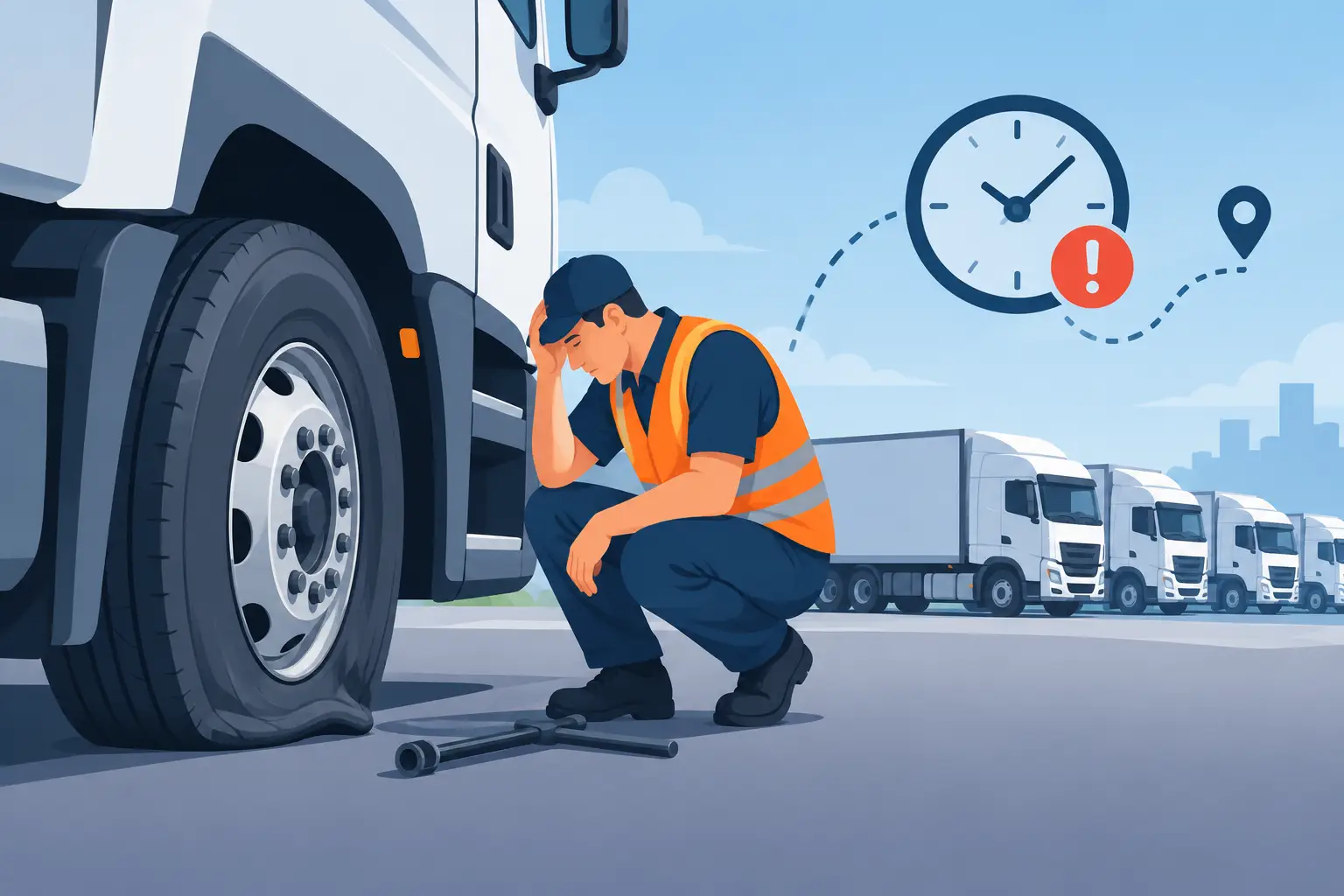
A flat tire on a work vehicle rarely happens at a convenient time. It happens before the school run, halfway through a delivery route, outside a customer’s house, or when a tradesperson needs to be carrying tools instead of waiting at a garage. Fleet tyre downtime can quickly turn one damaged tire into missed appointments, frustrated customers, lost earnings, and a long day for everyone involved.
For a business that relies on vans, cars, pickups, or service vehicles, keeping tires roadworthy is not just a maintenance job. It is part of keeping the business moving. The good news is that many tire-related delays can be shortened or avoided with regular checks, sensible planning, and fast mobile support when the unexpected happens.
Why fleet tyre downtime costs more than a tire
The cost of a replacement tire is usually the obvious part. The less obvious cost is the time a vehicle is unable to work. If a driver is waiting on the roadside or stuck at a job site, the business may lose a callout, delay a delivery, rearrange staff, or send another vehicle to cover the work.
That disruption can be especially difficult for smaller fleets. A company with two or three vans may not have a spare vehicle ready to step in. One puncture can mean a canceled appointment, a customer left waiting, and a driver who cannot complete the route.
There is also a safety issue. A tire with low pressure, sidewall damage, or badly worn tread can affect braking, steering, and grip. Continuing to drive in the hope that it will last until the end of the day can turn a manageable repair into a damaged wheel, a blowout, or a more serious roadside problem.
The aim is not to replace tires at the first sign of normal wear. It is to spot problems before they take a vehicle out of service and act quickly when a repair or replacement is needed.
The common causes of fleet tire delays
Punctures are the most familiar cause of downtime. Nails, screws, sharp debris, and damaged road surfaces can all lead to a slow leak or an immediate flat. A slow puncture is easy to miss because the vehicle may still feel normal at lower speeds. By the time the driver notices the tire is visibly low, the inside may already be damaged from being driven underinflated.
Incorrect tire pressure is another frequent problem. A heavily loaded van with underinflated tires puts extra stress on the tire walls and generates more heat. Overinflation can reduce the contact patch and cause uneven wear. Pressure needs can also change with load, so a vehicle that is fine on a light day may need attention before carrying equipment, stock, or materials.
Curb strikes and potholes cause their own trouble. A hard impact can damage the sidewall, bend a wheel, or knock alignment out of position. The tire may not go flat immediately, but vibration, pulling to one side, or uneven shoulder wear can follow. Leaving it unchecked often means the next replacement comes sooner than it should.
Wear is the final major factor. Tires do not wear evenly when wheel alignment is off, suspension parts are worn, or pressures have been neglected. Drivers who cover a lot of local miles, make frequent stops, or carry varying loads can see different wear patterns from a private car used mainly for commuting.
A quick driver check can prevent a lost shift
Drivers do not need to be tire experts, but a simple walk-around before setting off can catch many issues early. It is quicker to arrange help at the depot, home, or worksite than to deal with a flat tire in the middle of a busy route.
Before a shift, look for these four things:
- A tire that looks lower than the others or has a visible bulge, cut, or exposed cord
- Screws, nails, or other objects lodged in the tread
- Tread worn close to the legal limit or wearing heavily on one edge
- A vehicle that has started pulling, vibrating, or losing pressure repeatedly
If a screw or nail is visible, do not pull it out before the tire has been inspected. It may be temporarily slowing the leak. Check pressure with a reliable gauge rather than judging by appearance alone, particularly on commercial vehicles carrying weight.
Drivers should also report changes as soon as they notice them. A steering vibration at highway speed, a thump after hitting a pothole, or a warning light for low pressure should not be saved for the end of the week. Early reporting gives the business more options and reduces the chance of a roadside failure.
What to do when a vehicle is already down
First, make the location safe. Pull over as far from traffic as possible, switch on hazard lights, and avoid trying to drive farther on a flat tire. Driving even a short distance on a completely deflated tire can destroy a casing that may otherwise have been repairable.
Next, get clear information together before arranging assistance. The vehicle registration, tire size if available, location, and type of damage will help a mobile tire technician arrive prepared. For fleet managers, it also helps to know whether the vehicle is loaded, whether it is blocking access, and whether the driver has a safe place to wait.
Repair versus replacement depends on the damage. A puncture in the central tread area may be repairable if the tire has not been driven flat and the internal condition is sound. Damage to a sidewall, a large cut, a bulge, or exposed cords normally means replacement is the safer option. A proper inspection matters because not every hole that looks small from outside is safe to repair.
Mobile support can make a major difference here. Instead of arranging recovery and losing more hours at a tire shop, the work can often be completed where the vehicle is parked. Lee’s Mobile Tyres provides on-site puncture repairs and replacement tires for drivers and local businesses across the area, helping get vehicles back on the road without adding a garage visit to an already disrupted day.
Build tire checks into fleet planning
The best approach is practical, not complicated. Record tire inspections alongside routine vehicle checks and make sure every driver knows who to contact if there is a problem. For a small fleet, a simple shared log may be enough. For a larger operation, mileage and tire condition can be tracked more formally to identify vehicles that are wearing through tires faster than expected.
Check pressures when tires are cold and use the vehicle manufacturer’s recommended settings for the load being carried. Do not assume the pressure printed on the tire sidewall is the correct operating pressure. That figure is generally a maximum rating, not a daily target.
It is also worth acting on uneven wear before fitting another tire. Replacing one worn tire without checking alignment can mean the new tire wears out early too. If a vehicle has clipped a curb or hit a deep pothole, an alignment check may cost less than prematurely replacing a pair of tires.
For fleets that use mixed vehicles, keep a note of the tire sizes and specifications fitted to each one. This is useful during an urgent callout, especially for vans that need load-rated tires. Choosing a cheaper tire that is not suitable for the vehicle’s load or use can create another problem later.
Keep the vehicle moving, but do not cut corners
When work is piling up, there is pressure to find the fastest possible fix. Sometimes that means fitting a like-for-like replacement immediately. At other times, a repair is appropriate and saves money. The right decision depends on the tire’s condition, the vehicle’s workload, and whether the repair meets safety standards.
Part-worn tires can be a sensible option for some vehicles and budgets when they have been fully inspected and are suitable for the job. They are not the answer for every fleet, particularly where high mileage, heavy loads, or demanding routes call for a new commercial-grade tire. The important thing is making an informed choice, not simply choosing the lowest upfront price.
A dependable response plan gives drivers confidence when something goes wrong. Keep the right contact details available, encourage early reporting, and treat pressure warnings and tire damage as operational issues rather than minor inconveniences. A vehicle that gets attention at the first sign of trouble is far more likely to finish the next shift safely and on time.